Marine & Coastal Infrastructure Cleaning in Liverpool & Merseyside
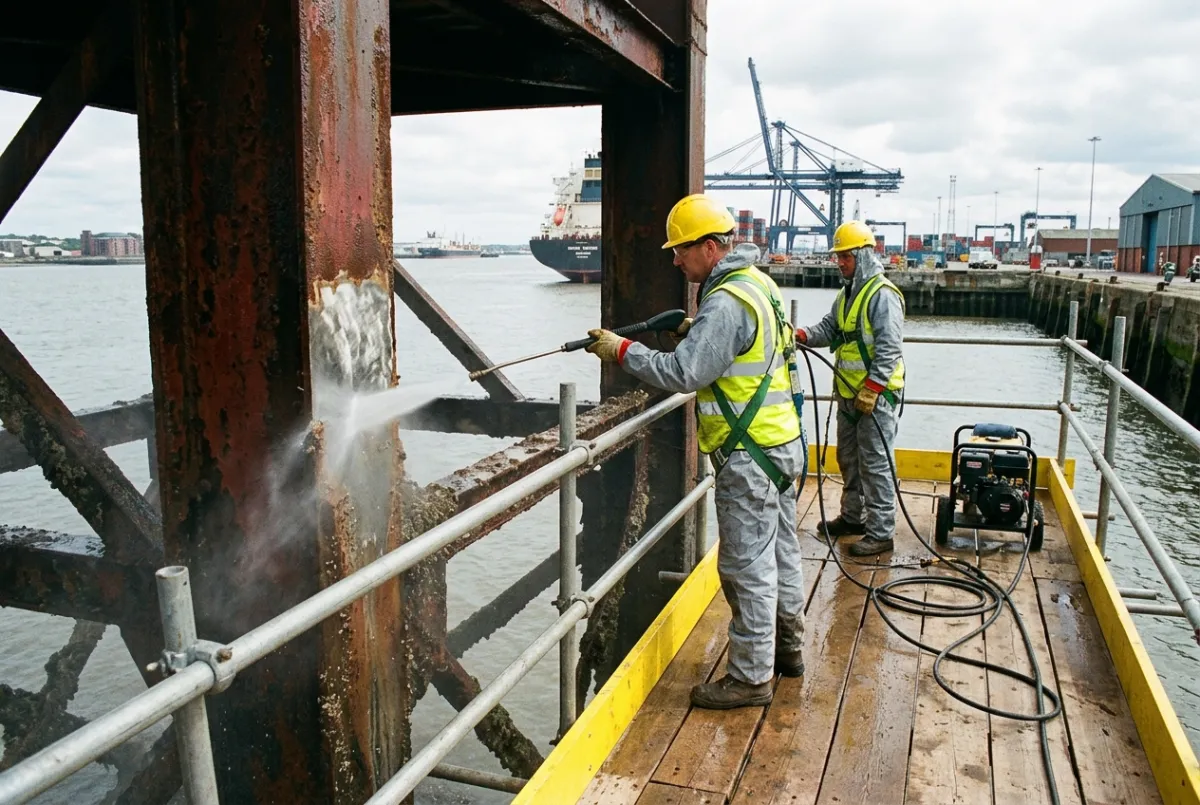
Marine & Coastal Infrastructure Cleaning in Liverpool & Merseyside support ports, dockside operators, utilities teams and industrial facilities that need exposed structures cleaned safely and handed back in a usable condition. Across Liverpool and the wider Merseyside area, especially around the River Mersey corridor, the strongest outcomes usually come from a survey-led specification that reflects salt exposure, traffic routes, drainage controls and the real operating pattern of the site. On projects where quayside assets and access routes need immediate attention, early coordination with marine dockside cleaning in Liverpool often helps define which sections should be cleaned first.
Why marine and coastal cleaning matters on Merseyside
Marine and coastal infrastructure cleaning is about more than presentation. Salt, spray, traffic film and industrial residue can accelerate corrosion, reduce inspection visibility and make walkways, steelwork and service areas harder to manage. For Liverpool and Merseyside operators, that matters because exposed assets near docks, estuary-facing facilities and marine-linked industrial areas often deteriorate faster than comparable inland structures.
Local knowledge matters here too. Liverpool sits on the River Mersey, and conditions around Bootle, Birkenhead, the Wirral and St Helens can differ significantly depending on traffic levels, exposure and asset type. Nearby Warrington may sit outside Merseyside, but it is often connected commercially to the same logistics and industrial corridor, so planning still has to reflect how people, vehicles and contractors move through the wider area.
What a professional scope should include
A credible marine-cleaning brief should define the asset type, contamination pattern, access method, drainage controls, debris handling and the handover condition required for inspection, maintenance or continued operation. It should also identify whether the work is isolated to one structure or phased across several exposed areas.
| Option | Best fit | Typical programme | Commercial benefit |
|---|---|---|---|
| Targeted dockside clean | One route, structure or exposed asset | 1 shift to 1 day | Fast improvement in safety and presentation |
| Phased coastal cleaning | Several linked marine work fronts | 1 to 3 days | Better control on active port-side sites |
| Wider infrastructure programme | Multiple exposed structures and routes | 2 to 5 days | Stronger long-term condition management |
Benefits for Liverpool and Merseyside facilities
Good marine cleaning improves access, supports inspection quality and reduces the amount of corrosive residue left sitting on exposed steel and surfaces. It also helps facilities managers maintain a more defensible maintenance standard on high-visibility waterfront or estuary-linked sites. For practical context on keeping equipment and assets in workable order, HSE maintenance of work equipment guidance is a useful authority reference because it reinforces the importance of planned maintenance around exposed industrial infrastructure.
Teams comparing similar coastal work elsewhere in the network may also find marine and coastal infrastructure cleaning in Anglesey useful because it shows how another coastal-facing site frames salt exposure, structure cleaning and asset care in a comparable environment.
Reducing disruption during delivery
The best programmes combine cleaning, access planning and handover stages so contractors are not competing for the same work face. On exposed structures and elevated routes, it often makes sense to coordinate marine cleaning with high-level access cleaning in Liverpool so access equipment, exclusions and rescue planning are considered before work begins. That reduces wasted setup time and gives the client a cleaner, safer handover path.
Frequently asked questions
What does marine and coastal infrastructure cleaning usually cover?
It commonly includes exposed steelwork, access routes, dockside surfaces, service areas and other salt-affected structures that need safer and cleaner operating conditions.
Why do Merseyside assets need more frequent attention?
Because salt spray, weather exposure, traffic contamination and industrial residue can build up faster around river and port environments than on inland sites.
Can the work be phased around live operations?
Yes. Many Liverpool and Merseyside jobs are split into manageable work fronts so cleaning supports operations rather than competing with them.
Request a project quote
If you need marine and coastal infrastructure cleaning in Liverpool or Merseyside, visit https://industrialcleaningliverpool.co.uk/ to request a site survey and quote. We will assess the exposed assets, explain the safest cleaning route and build a practical programme around access, drainage and maintenance priorities.