Liverpool Plant & Machinery Cleaning for Better Reliability and Safer Maintenance Windows
Liverpool Plant & Machinery Cleaning for Better Reliability and Safer Maintenance Windows
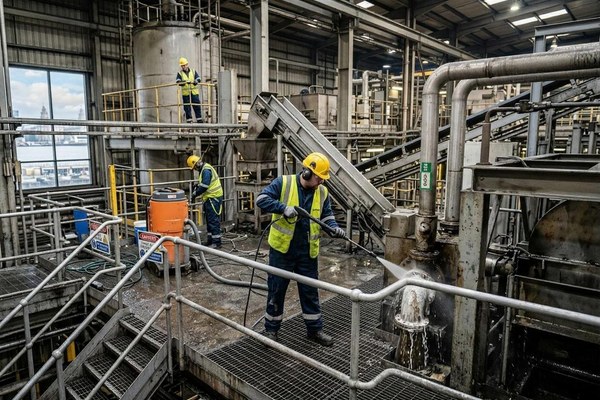
Plant and machinery rarely perform well when contamination is allowed to build unchecked. Dust, grease, overspray, residue and process debris can hide leaks, trap heat, reduce visibility around moving parts and make servicing harder than it needs to be. In many industrial environments, Plant & Machinery Cleaning is not just a hygiene task. It is part of sensible asset care and safer maintenance planning.
Alternative Cleaning Solutions (ACS) states on its Liverpool homepage that specialist cleaning services are available for industrial machinery, production equipment and operational plant areas. The same homepage also confirms coverage across factories, processing facilities, engineering sites and other industrial settings throughout Liverpool and Merseyside. That matters because equipment cleaning needs to reflect the working realities of each site, including access, contamination type and how much downtime is actually available.
What Plant & Machinery Cleaning is designed to achieve
At a practical level, this service focuses on cleaning around machinery, production equipment, structural supports and adjacent operational areas so that sites can maintain cleaner, safer and more manageable working conditions. The aim is not to interfere with the engineering function of the asset. It is to remove the grime and residue that can make the asset harder to inspect, harder to maintain and harder to operate safely.
Typical cleaning priorities on Liverpool industrial sites
On Liverpool and Merseyside sites, common priorities often include built-up grease around plant, dust on frames and housings, grime around service routes, residue beneath machinery and contamination on surrounding floors or walls. In food production, engineering and manufacturing settings, those issues can affect not only housekeeping standards but also maintenance efficiency and inspection quality.
Why cleaner equipment supports better reliability
The biggest gain from Plant & Machinery Cleaning is often visibility. When assets are clean, maintenance teams can more easily identify wear, loose fittings, small leaks and repeated contamination patterns. That can support planned intervention before a minor problem becomes a fault that affects output.
There is also a safety benefit. Cleaner plant areas are easier to move through, easier to isolate and easier to hand over to internal or external maintenance teams. ACS notes that all work is completed in line with relevant health and safety procedures, risk assessments and industry standards. For machinery zones, that discipline is especially important because cleaning often happens close to fixed equipment, tight access points and areas with restricted working room.
Budget and programme planning
Most Plant & Machinery Cleaning projects are priced after a review because asset complexity varies so widely. Indicative industrial cleaning budgets in the market may start in the high hundreds for smaller, straightforward equipment zones and move into the thousands where multiple assets, access measures, isolation planning or deep contamination are involved. If a plant clean is combined with a wider factory or shutdown project, the quote is usually built around the total scope rather than a simple hourly assumption.
In terms of time, a focused machinery clean might fit into a single maintenance window, while larger plant areas can take one to several days. The real efficiency comes from sequencing the work so that the right assets are available at the right time.
Cleaning optionWhen it works bestTypical timingMain outcomeSingle-asset cleanSpecific machine or urgent contamination issuePart of one shift or maintenance windowFast reset for a priority assetArea-based plant cleanMultiple machines in one production zone1 day to several visitsBetter housekeeping and maintenance accessPre-maintenance cleanBefore servicing, inspection or repairScheduled ahead of engineersCleaner and safer maintenance conditionsShutdown-linked plant cleanDuring planned stoppagesOne to several daysThorough access to plant and surrounding areas
How the work is usually organised
1. Scope and access review
Before work starts, the cleaning team needs to understand what equipment is included, which surfaces can be cleaned, what isolation or permit systems apply and whether the site remains operational. That helps avoid scope gaps and prevents cleaning activity from clashing with production or maintenance.
2. Controlled delivery around the asset
The most effective plant cleaning is methodical. Rather than trying to cover everything at once, teams usually work around specific assets, surrounding floors, guards, supports and adjacent structures so that contamination is removed without creating unnecessary disruption.
3. Handover for operations or maintenance
A properly cleaned machinery area is easier to inspect and easier to hand back to operations or engineering teams. It also gives managers a clearer picture of whether they need recurring cleaning, deeper shutdown work or more targeted high-level support nearby.
Why Liverpool sites should plan cleaning around operations
ACS clearly states that projects can be planned around operational requirements to minimise downtime and disruption. That is especially important for plant cleaning because machinery is often the core of production. Liverpool operators do not want a cleaning contractor who turns a manageable hygiene issue into a lost production period. Early planning, sensible isolation arrangements and clearly agreed work windows help avoid that problem.
Frequently Asked Questions
Does machinery cleaning mean dismantling equipment?
Not necessarily. In many cases the scope focuses on accessible external surfaces, surrounding structures and adjacent contamination zones. The exact method depends on the asset and site controls.
Can Plant & Machinery Cleaning be done during normal operations?
Sometimes yes, sometimes no. It depends on the equipment, risk controls, contamination and available segregation. ACS notes that projects can be planned around operational requirements.
What affects the price of machinery cleaning in Liverpool?
The main factors are the number of assets, contamination level, access restrictions, need for isolation, working hours and whether the clean forms part of a wider project.
Which sectors benefit most from this service?
ACS works across manufacturing, logistics, marine, engineering, food production, warehousing and other industrial sectors, so any site with residue-prone plant can benefit from planned cleaning.
Request a machinery cleaning quote
If your team needs cleaner plant areas, safer maintenance access and better visibility around key assets, Plant & Machinery Cleaning in Liverpool is best scoped before contamination turns into a reliability or housekeeping problem. To discuss your site, visit https://industrialcleaningliverpool.co.uk/ and request a quote from ACS.
