Liverpool Factory & Industrial Cleaning for Safer Production Areas and Lower Unplanned Downtime
Liverpool Factory & Industrial Cleaning for Safer Production Areas and Lower Unplanned Downtime
Factory floors, production lines, service corridors and surrounding work zones build up dust, grease, packaging residue and process contamination faster than many teams realise. In a busy industrial environment, that build-up does not just affect presentation. It can increase slip risks, reduce housekeeping standards, slow maintenance access and make audits harder to pass. That is why Factory & Industrial Cleaning in Liverpool is best treated as an operational control, not a last-minute reaction.
Alternative Cleaning Solutions (ACS) positions its Liverpool service around factories, warehouses, processing facilities, engineering sites and other commercial industrial environments across Liverpool and Merseyside. The homepage also makes clear that work can be planned around operational schedules, delivered in line with health and safety procedures, and tailored to each site. For plant managers, FM teams and operations leaders, those points matter because industrial cleaning only adds value when it supports uptime, safety and compliance.
What Factory & Industrial Cleaning usually includes
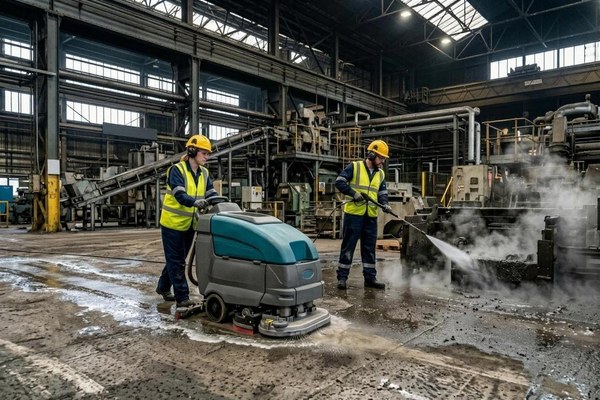
On the homepage, ACS describes industrial cleaning as covering a wide range of live industrial environments. In practice, Factory & Industrial Cleaning often involves cleaning production floors, walkways, service areas, low-level plant surrounds, walls, cladding, contamination hotspots and general operational zones. The right scope depends on what the site is producing, how much residue is generated and whether cleaning must happen during normal operations or during a quieter maintenance window.
Why Liverpool factories need a planned approach
Liverpool and the wider Merseyside area include manufacturing, engineering, logistics and marine-linked operations. In those environments, residue can vary from dry dust and cardboard debris to heavier grease, grime and process fallout. A planned cleaning routine helps prevent those materials from building into a larger housekeeping problem. It also supports safer movement around equipment and clearer access for routine inspections.
Operational benefits beyond appearance
A good Factory & Industrial Cleaning programme helps sites keep control of safety and efficiency. Clean traffic routes are easier to inspect. Cleaner work zones reduce the chance of contamination spreading from one area to another. Maintenance teams can reach equipment more quickly. Supervisors can spot leaks, wear points and defects more easily when surfaces are not hidden under heavy dirt.
ACS also notes that projects can be scheduled around operational requirements to minimise downtime and disruption. That is especially useful in Liverpool factories where production windows are tight and managers cannot afford unnecessary stoppages. A contractor who can work around shifts, segregate zones and clean in phases is normally more valuable than one who only offers a one-size-fits-all visit.
Typical project factors, budgets and timescales
Industrial cleaning is usually quoted after reviewing the site because no two factories are the same. Scope, contamination, access, waste handling and working hours all influence the price. As an indicative market guide rather than a fixed ACS tariff, a targeted clean to a smaller production area may sit in the high hundreds to low thousands of pounds, while a larger multi-zone clean or recurring programme can move into the low-to-mid four figures. Multi-day projects involving heavy contamination, specialist waste controls or shutdown coordination may cost more.
In timing terms, a contained zone can sometimes be completed within a single shift, while a larger factory clean may run over several visits. The practical question is not just how long the clean takes, but how the work is sequenced so that production is protected.
Cleaning approachBest fitTypical timeframeMain advantageReactive one-off cleanSudden build-up, failed audit, urgent housekeeping resetOne shift to 1 day for smaller areasFast improvement in visible standardsPlanned phased cleaningLive sites with ongoing outputRepeated short windows over days or weeksLower disruption to productionDeep industrial cleanHeavy contamination or wider site reset1 to several days depending on scaleMore thorough recovery of standardsRecurring maintenance cleaningSites with constant residue generationWeekly, monthly or scheduled intervalsBetter long-term control and predictability
How a well-run factory clean is normally delivered
1. Site review and risk planning
The strongest projects begin with a clear review of the working environment. That means identifying contamination type, access limitations, pedestrian and vehicle routes, sensitive equipment and production constraints. ACS states that work is delivered in line with relevant health and safety procedures, risk assessments and industry standards, so the planning stage should shape the whole method.
2. Zone-by-zone cleaning delivery
On live sites, it is often better to break work into logical zones. That may include production lines, packing areas, perimeter walkways, service voids or loading areas. A phased approach helps keep the factory operational while still improving standards.
3. Handover and next-step planning
The best outcome is not just a cleaner floor on the day. It is a clearer cleaning standard for the next month or quarter. Once heavily soiled areas are reset, managers can decide whether they need recurring support, a separate machinery clean or a planned shutdown clean.
Why local knowledge matters in Liverpool
Liverpool industrial sites vary widely in layout, age and operating profile. Some facilities need early-morning access, some prefer weekend windows and some need cleaning tied to production changeovers. A local contractor working across Liverpool and wider Merseyside is more likely to understand travel times, access logistics and the need to work around industrial schedules rather than against them.
ACS also highlights service coverage across manufacturing, logistics, engineering, warehousing and other industrial sectors. That kind of cross-sector exposure matters because cleaning standards, risk controls and production pressures differ from site to site.
Frequently Asked Questions
How often should a factory be professionally cleaned?
That depends on the level of dust, grease, product residue and traffic on site. Busier factories often benefit from regular scheduled cleaning instead of waiting for standards to slip.
Can Factory & Industrial Cleaning be carried out without stopping production?
Yes, many areas can be cleaned in phases or around quieter operating windows. ACS specifically states that projects can be planned around operational requirements to minimise downtime and disruption.
What affects the price of factory cleaning in Liverpool?
The main drivers are floor area, contamination level, access restrictions, waste handling, working hours and whether the work is part of a live site or a deeper reset.
Is this service only for manufacturing sites?
No. ACS positions its service for factories, warehouses, processing facilities, engineering sites and other commercial industrial environments across Liverpool and Merseyside.
Book a factory cleaning review
If your site needs a cleaner, safer starting point for production, maintenance or audit preparation, Factory & Industrial Cleaning in Liverpool is easiest to manage when scoped early and delivered in clearly planned zones. For a site review or quote, visit the ACS homepage at https://industrialcleaningliverpool.co.uk/.
